.svg)
.svg)

Product Engineer: Responsibilities, Skills, Methods, and Career
Product Engineer explained: responsibilities, skills, tools, and modern methods (AI, simulation), plus career paths and best practices for your success.
Product Engineer: A Core Role in Modern Product Development
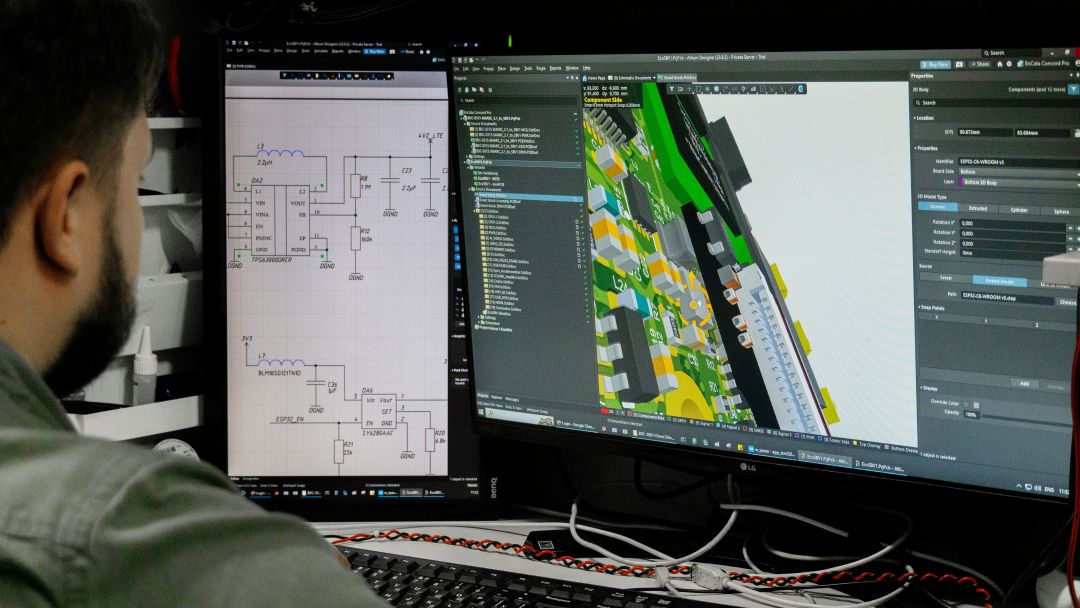
A Product Engineer is at the heart of innovative product development and combines technical expertise with strategic thinking. This key position bridges the gap between creative ideation and market-ready products by guiding the process systematically from the initial concept to series production readiness. Product Engineers turn abstract visions into tangible solutions and make a decisive contribution to the success of technology-driven companies.
Core Responsibilities of a Product Engineer
Concept Development and Requirements Analysis
Product Engineers begin their work with a detailed analysis of customer needs and market requirements. They translate abstract wishes into concrete technical specifications and create requirement documents that serve as the foundation for all subsequent development steps. This phase requires analytical thinking as well as the ability to understand and structure complex relationships.
Design and Engineering
Using modern CAD systems, Product Engineers develop precise 3D models and technical drawings. They consider not only functional requirements, but also manufacturability, material selection, and cost aspects. Insights from simulation and calculation flow directly into the design process to achieve optimal product characteristics.
Prototype Development and Testing
After digital development, Product Engineers transfer their concepts into physical prototypes. They coordinate various manufacturing methods, from 3D printing to conventional approaches, and conduct comprehensive tests. This phase is crucial for validating design decisions and identifying potential improvements.
Project Management and Coordination
Product Engineers act as the central interface between different departments. They coordinate collaboration with development teams, quality assurance, manufacturing, and marketing. Through structured project management, they ensure that deadlines are met and budgets are adhered to.
Required Skills and Competencies
Technical Expertise
A successful Product Engineer masters various engineering disciplines and development tools. This includes CAD software, simulation programs for flow and structural analyses, and knowledge of manufacturing processes. Anyone who wants to succeed as a Product Engineer today should also understand fundamentals of artificial intelligence and machine learning, since these technologies are increasingly being integrated into development processes.
Analytical and Systems Thinking
Product Engineers must understand complex technical systems and recognize interactions between different components. They analyze data, evaluate alternatives, and make well-founded decisions while considering multiple factors such as cost, time, quality, and sustainability.
Communication and Teamwork Skills
Since Product Engineers work with various stakeholders, excellent communication skills are essential. They must present technical topics in an understandable way for different target groups and collaborate effectively in interdisciplinary teams.
Problem Solving Skills
Unexpected challenges are part of everyday product development. Product Engineers must approach problems creatively and systematically, develop alternative solution paths, and iteratively arrive at optimal results.
What Is Engineering?
Engineering refers to the systematic application of scientific and mathematical principles to solve practical problems. It connects theoretical knowledge with practical implementation and aims to develop innovative, safe, and economically viable solutions. Engineering includes not only design work, but also analysis, simulation, optimization, and validation of technical systems.
In modern development processes, engineering increasingly integrates digital methods such as computer-based simulation, AI-driven optimization, and automated workflows. These tools make it possible to solve more complex problems, shorten development times, and increase product quality.
Engineering a Product: The Holistic Development Process
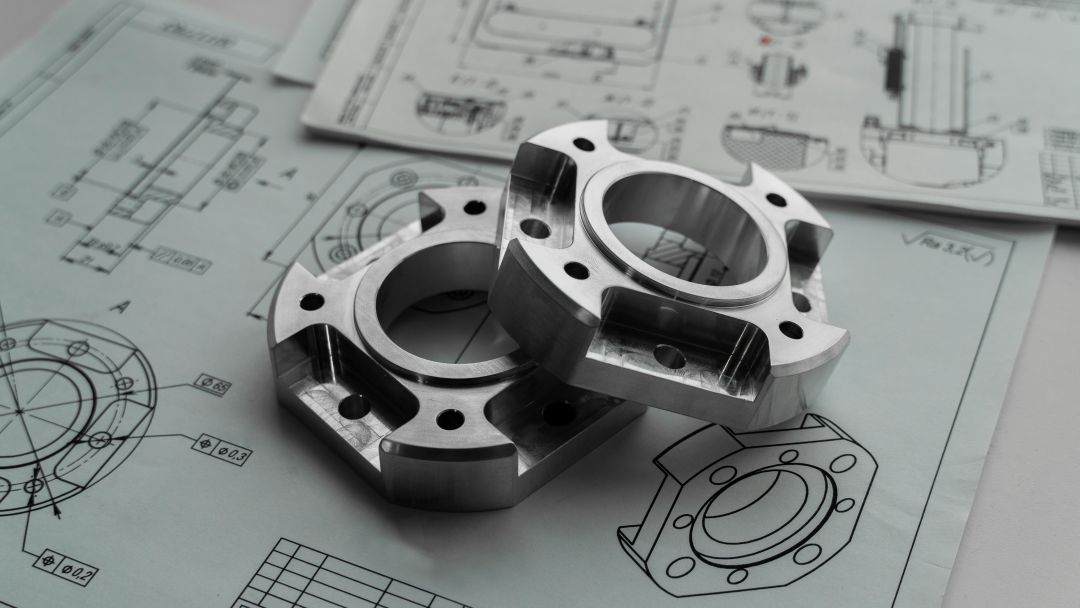
Product development through engineering follows a structured, methodical approach. First, requirements are defined and translated into technical specifications. Next comes concept development with various design alternatives that are evaluated through simulation and calculations.
The actual engineering process includes detailed design, material selection, and manufacturing planning. Modern development increasingly uses AI-supported methods to optimize geometries and predict product properties. Prototype construction and iterative improvements ultimately lead to market-ready products.
This systematic approach minimizes risks, shortens development times, and results in superior product solutions that meet both technical requirements and market needs.
What Does Engineering Mean in Practice?
In practical application, engineering means transforming ideas into functional reality. It requires combining various disciplines such as mechanics, thermodynamics, fluid dynamics, and materials science into comprehensive solutions. The focus is not only on technical functionality, but also on sustainability, economic efficiency, and user-friendliness.
Modern engineering uses digital twins and simulation models to develop and test products virtually before physical prototypes are built. This enables more efficient development with fewer iteration loops and lower costs.
In industrial practice, engineering also means close collaboration between different disciplines and integrating manufacturing processes already during the development phase. This results in products that not only perform well, but can also be manufactured cost-effectively.
The Role of the Product Engineer in the Development Team
Interface Function
Product Engineers act as the central communication hub between different project stakeholders. They translate customer wishes into technical requirements, coordinate with manufacturing experts, and ensure that all stakeholders remain informed about project progress.
Driver of Innovation
Through their broad technical expertise, Product Engineers identify innovation potential and bring new technologies into development projects. They evaluate emerging trends such as AI, additive manufacturing, or sustainable materials for applicability and integration into existing processes.
Quality Assurance
Product Engineers monitor compliance with standards and specifications throughout the entire development process. They define test procedures, evaluate results, and ensure that final products meet all requirements.

Modern Approaches in Product Development
AI-Supported Development Methods
Artificial intelligence is revolutionizing the work of Product Engineers. Machine learning algorithms analyze large data sets from simulations and tests to identify optimal design parameters. Surrogate models replace time-consuming simulations and enable rapid evaluation of variants.
Data-Driven Optimization
Instead of traditional trial-and-error approaches, modern Product Engineers use structured Design of Experiments, also known as DoE methods. These systematic approaches identify optimal parameter combinations with significantly fewer trials and lead to improved product characteristics.
Integrated Simulation and Prototyping
The combination of virtual and physical product development is becoming increasingly seamless. Product Engineers use validated simulation models to develop prototypes more purposefully and to design test programs more efficiently.
Challenges and Future Perspectives
Managing Complexity
Modern products are becoming increasingly complex and integrate multiple technologies. Product Engineers must understand and coordinate interdisciplinary systems, which requires expanded competencies in systems engineering and project management.
Sustainability and Circular Economy
Environmental aspects are gaining importance. Product Engineers must consider recyclability, resource efficiency, and service life already during the development phase. This requires new evaluation methods and design approaches.
Digitalization and Automation
Ongoing digitalization is fundamentally changing development processes. Product Engineers must continuously upskill and master new digital tools in order to remain competitive.
Career Paths and Specialization Opportunities
Product Engineers can specialize in various directions. Possible career paths include managing development projects, technical consulting, or specializing in specific industries such as automotive, aerospace, or energy engineering.
Particularly in-demand specializations include simulation and virtual product development, sustainable technologies such as hydrogen powertrains, or the integration of AI into development processes. These areas offer excellent career opportunities for ambitious engineers.
Best Practices for Aspiring Product Engineers
Continuous Learning
Technology advances quickly. Successful Product Engineers stay up to date through training, professional conferences, and exchange with colleagues.
Building a Network
Strong professional networks facilitate project work and career development. Product Engineers should actively participate in professional associations and maintain interdisciplinary contacts.
Practice-Oriented Learning
Theory alone is not enough. Aspiring Product Engineers should gain practical experience in various projects and get to know different industries in order to develop their problem-solving skills.
Conclusion
Product Engineers play a central role in modern product development and combine technical know-how with strategic thinking. They transform innovative ideas into market-ready products and contribute significantly to the success of technology-driven companies. The future of this profession is shaped by increasing digitalization, AI integration, and growing sustainability requirements.
Anyone who wants to succeed as a Product Engineer should learn continuously, think across disciplines, and master modern development methods. The combination of technical expertise, problem-solving ability, and communication skills makes Product Engineers indispensable players in tomorrow’s innovation landscape.
Are you planning a demanding development project or looking for an experienced partner for product development and engineering? Contact Felsaris and benefit from our expertise in CAD design, CFD simulation, and AI-supported product development. Together, we turn your ideas into market-ready innovations.
Frequently Asked Questions
What qualifications does a Product Engineer need?
A Product Engineer typically needs a university degree in mechanical engineering, electrical engineering, or related engineering disciplines. In addition, knowledge of CAD software, project management, and ideally modern technologies such as AI and simulation is advantageous. Practical experience in product development and strong communication skills are also essential.
How does a Product Engineer differ from a Product Manager?
While Product Managers are responsible for strategic and commercial aspects of products, the Product Engineer focuses on technical implementation. Product Engineers develop and design products, perform technical analyses, and coordinate development processes. Product Managers, on the other hand, manage product life cycles, market positioning, and business strategies.
What role does AI play in the work of Product Engineers?
AI supports Product Engineers in optimizing design parameters, analyzing large data sets from simulations, and predicting product properties. Machine learning algorithms can shorten development times and lead to better product solutions. Surrogate models replace time-consuming calculations and enable rapid evaluation of variants.
Which industries do Product Engineers mainly work in?
Product Engineers work in almost all technology-driven industries, especially in automotive, aerospace, mechanical engineering, energy engineering, and electronics. Emerging fields such as renewable energy, hydrogen technology, and medical technology also offer attractive career opportunities for Product Engineers.
How is the role of the Product Engineer evolving?
The role is becoming increasingly digital and interdisciplinary. Product Engineers must work more with AI tools, take sustainable development approaches into account, and collaborate in agile teams. The integration of simulation, prototyping, and data-driven methods is becoming more important, while traditional sequential development approaches are losing relevance.