.svg)
.svg)

What distinguishes pure electric vehicles from internal combustion vehicles?
What distinguishes pure electric vehicles from internal combustion engine vehicles: a comparison of efficiency, drivetrain, maintenance, range, and costs.
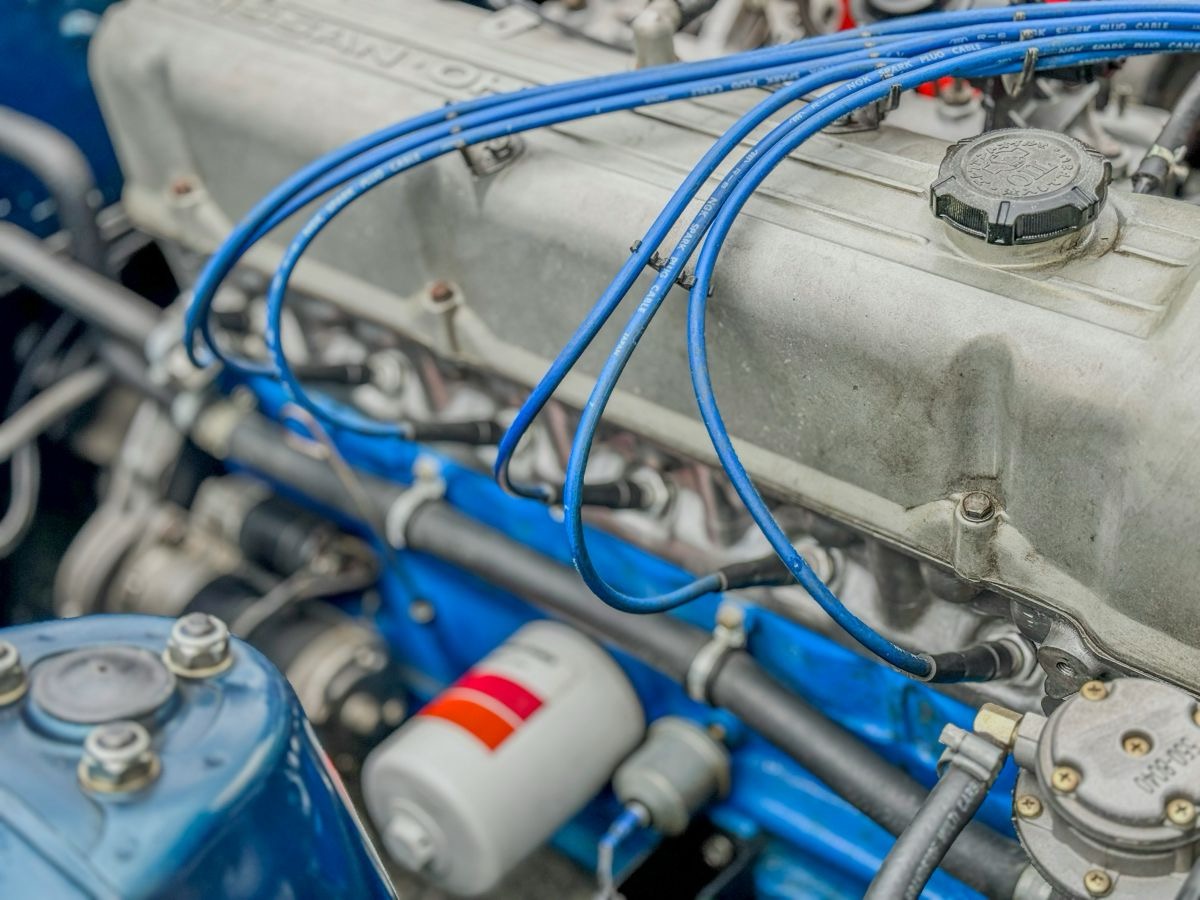
The automotive industry is undergoing a fundamental transformation. While electric vehicles are increasingly taking over the roads, many engineers and development managers are asking a key question: what technically distinguishes pure electric vehicles from vehicles with internal combustion engines? The answer lies in fundamentally different drivetrain concepts, which place distinct demands on design, maintenance, and operation.
Pure electric vehicles use an electric motor with a battery storage system, whereas internal combustion vehicles convert fossil fuels into mechanical energy. These differences influence not only vehicle characteristics, but also development processes, manufacturing requirements, and service operations to a significant extent. For companies in the automotive and supplier industries, these technical distinctions are critical for making strategic product decisions.
When was the first internal combustion engine developed?
The first functional internal combustion engine was developed in 1860 by Étienne Lenoir. His gas engine operated using a mixture of illuminating gas and air and achieved an efficiency of around two percent. This engine marked the beginning of motorized mobility, even though its efficiency was still far from today’s standards.
A decisive advancement followed in 1876 with Nikolaus Otto and the four-stroke principle. His engine already achieved an efficiency of about 14 percent and laid the foundation for modern spark-ignition engine technology.
Who invented the internal combustion engine?
The invention of the internal combustion engine is the result of several development stages by different engineers. Étienne Lenoir is considered the inventor of the first practically usable internal combustion engine, having patented his gas engine in 1860 and successfully commercialized it.
In 1876, Nikolaus Otto revolutionized the technology with his four-stroke cycle (intake, compression, power, exhaust), which still forms the basis of all spark-ignition engines today. In 1897, Rudolf Diesel developed the compression-ignition engine that bears his name, distinguished by higher compression and greater efficiency.
Design and system complexity
Mechanical complexity and number of components
The structural differences between electric vehicles and internal combustion vehicles are substantial. A typical internal combustion engine consists of more than 2,000 individual components, whereas an electric motor operates with around 20 components. This drastic reduction in mechanical complexity has direct implications for manufacturing, quality control, and failure probability.
Internal combustion engines additionally require complex auxiliary systems such as fuel pumps, injection systems, exhaust aftertreatment, cooling, lubrication, and control technology. Electric vehicles reduce this system diversity to battery management, power electronics, and thermal management of the electric motor.
Cooling and thermal management
Both drivetrain types require sophisticated cooling systems, but with different demands. Internal combustion engines generate significant waste heat through the combustion process and therefore require powerful cooling systems for the engine and transmission. Typical operating temperatures range between 80 and 100°C.
Electric vehicles require precise thermal management for the battery and power electronics. The battery operates optimally within a temperature window of approximately 15–35°C, while the power electronics must be protected from overheating. Modern electric vehicles therefore rely on integrated cooling circuits with heat pumps to maximize efficiency.
Energy Storage and Range
Energy density and tank volume
The main difference in practical use lies in energy storage. Petrol and diesel have an energy density of around 44 MJ/kg, while modern lithium-ion batteries reach only about 0.7 MJ/kg. This physical limitation requires electric vehicles to use significantly larger and heavier energy storage systems to achieve comparable ranges.
A 50-liter petrol tank weighs around 90 kg when full and stores roughly 500 kWh of energy. A comparable 85-kWh battery, by contrast, weighs around 600 kg. This weight difference has a significant impact on the chassis, braking system, and overall vehicle design.
Charging time vs. refueling time
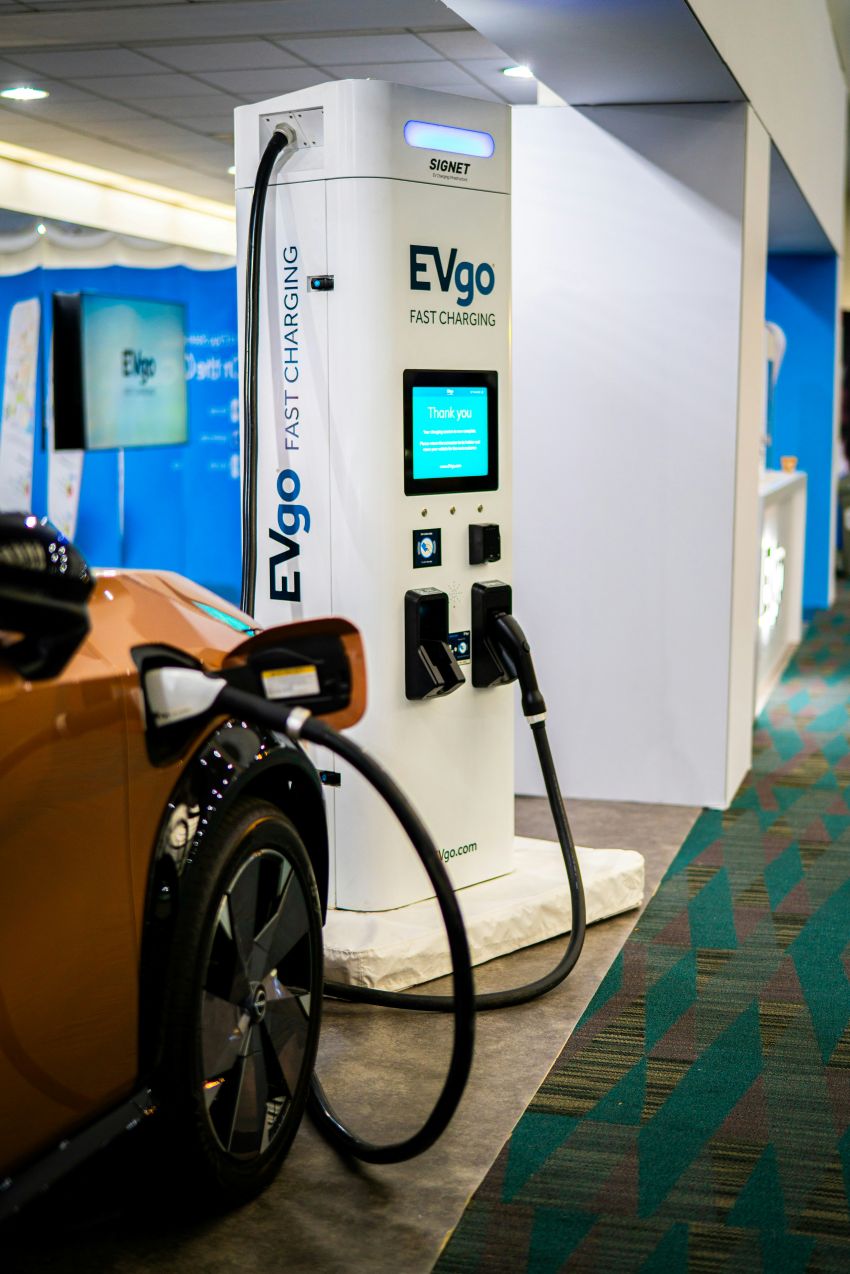
Energy replenishment differs fundamentally between the two systems. Conventional vehicles can be fully refueled in 3–5 minutes and immediately regain their full range. Electric vehicles, depending on the charging technology, require between 30 minutes (fast charging) and several hours (AC charging) for a full battery charge.
This time difference has direct implications for fleet management and operational planning, especially in commercial applications with high daily mileage.
Maintenance and operating costs
Wear parts and service requirements
Internal combustion engines require regular maintenance of numerous wear components: engine oil, air and fuel filters, spark plugs, timing belts, and brake fluid must be replaced at specified intervals. This maintenance intensity results from high mechanical loads and extreme operating conditions inside the engine.
Electric vehicles significantly reduce maintenance requirements. The electric motor operates virtually without wear, eliminating oil changes, filter replacements, and most mechanical wear repairs. The main maintenance items are tires, brakes, and occasional coolant checks.
Service life and reliability
Modern electric motors can achieve mileages of over 500,000 kilometers without major repairs. Their simple design and low mechanical stress lead to exceptional durability. Internal combustion engines typically reach 200,000–300,000 kilometers with proper maintenance but require several major service interventions during that time.
The battery is the only major cost factor in electric vehicles. However, modern batteries are designed for 8–10 years or 160,000 kilometers and still retain around 70–80 percent of their original capacity thereafter.
Emissions and environmental impact
Local emissions and air quality
The most striking difference is seen in local emissions. Electric vehicles produce zero direct emissions while driving, whereas combustion-engine vehicles continuously emit CO₂, nitrogen oxides, carbon monoxide, and particulates. This makes electric vehicles particularly attractive for urban use and low-emission zones.
Despite modern exhaust aftertreatment technologies, internal combustion engines still produce measurable emissions. Even Euro 6 engines emit CO₂ and other pollutants under real-world driving conditions, emissions that are completely eliminated in electric vehicles.
Noise emissions
Electric motors operate almost silently and significantly reduce traffic noise. At low speeds, electric vehicles are so quiet that artificial driving sounds are required for road safety. Internal combustion engines generate characteristic noise from combustion, mechanical components, and the exhaust system, which is often perceived as a disturbance, especially in residential areas.
Development outlook and future technologies
Hybrid technologies as a bridge solution
Hybrid drivetrains combine both systems and leverage the advantages of each technology. Plug-in hybrids enable electric driving in urban traffic and long-distance travel using an internal combustion engine. This technology offers a practical compromise during the transition phase toward full electrification.
Hydrogen as an alternative future technology
Hydrogen internal combustion engines (H₂ICE) represent an interesting alternative, combining proven combustion engine technology with emissions-free operation. At Felsaris, we develop such hydrogen engines by converting conventional power units, achieving zero CO₂ emissions with minimal NOx levels. This technology is particularly suitable for applications with high range requirements and fast refueling cycles.

Conclusion: Two Worlds of Drivetrain Technology
The differences between electric vehicles and internal combustion vehicles are fundamental and affect every aspect of design, operation, and maintenance. Electric vehicles offer higher efficiency, lower maintenance requirements, and local zero emissions, while internal combustion vehicles currently still have advantages in terms of range, refueling speed, and infrastructure.
For development engineers and automotive manufacturers, this technological shift means a complete realignment of skills and expertise. The future of mobility will likely involve a coexistence of different drivetrain technologies, tailored to specific application requirements. Innovative solutions such as hydrogen internal combustion engines demonstrate that established technologies can also be developed sustainably.
Are you developing innovative drivetrain concepts or planning the transition to alternative propulsion systems? Felsaris supports you with state-of-the-art simulation technologies and engineering expertise in realizing future-proof mobility solutions. Contact us for a non-binding consultation.
Frequently Asked Questions (FAQ)
Which drivetrain technology is more efficient?
Electric motors are around three times more efficient than internal combustion engines. They convert over 90% of the supplied energy into motion, whereas combustion engines achieve only about 35–45%. The difference lies in the physical principles of energy conversion.
How do maintenance costs differ?
Electric vehicles require significantly less maintenance, as wear-intensive components such as engine oil, filters, and spark plugs are eliminated. Internal combustion vehicles require regular servicing every 15,000-30,000 kilometers, while electric vehicles mainly need tire and brake maintenance.
What ranges are realistic?
Modern electric vehicles achieve ranges of 300-500 kilometers, while internal combustion vehicles typically reach 600–800 kilometers. However, the difference strongly depends on vehicle class, driving style, and environmental conditions.
How long does charging or refueling take?
Petrol and diesel vehicles can be fully refueled in 3-5 minutes. Electric vehicles require 30-60 minutes at a fast charger or 6-12 hours at a home wallbox. This time difference requires adapted usage habits.
Are electric vehicles really more environmentally friendly?
Electric vehicles produce zero local emissions and are more climate-friendly over their entire life cycle when electricity comes from renewable sources. When powered by coal-based electricity, the advantage is reduced but still remains due to the higher efficiency of electric motors.